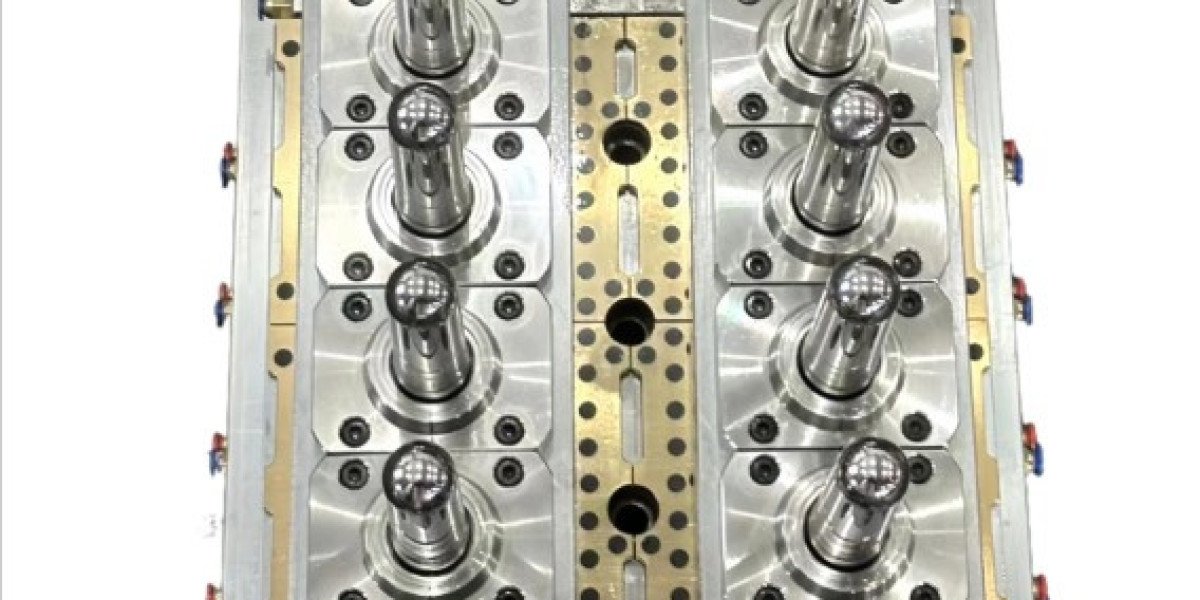

Plastic packaging manufacturers often need carrying components that combine practical use, suitable dimensions, and a consistent appearance. During the development of bottles for household products, personal care liquids, and other packaged goods, a carefully engineered Handle Mold helps transform design requirements into a functional plastic component. Choosing a suitable Handle Mold involves more than matching the handle's outline; engineers must also consider the production method, plastic properties, mold layout, and expected manufacturing volume. A clear understanding of these factors can help businesses plan their packaging projects and develop components that meet specific product requirements.
Adapting Handle Shapes to Product Applications
Different bottles require different carrying structures. A compact container may need a small grip that does not take up too much space, while a larger bottle may require a wider opening for easier handling. The handle's position, thickness, and connection area should correspond with the bottle's overall design.
Product appearance is another consideration. Some packaging designs use smooth, rounded outlines, while others feature angular shapes or reinforced sections. These visual details should be considered alongside practical requirements. By reviewing product drawings and physical samples, engineers can better understand the intended structure before preparing a mold design.
Evaluating Plastic Materials and Processing Needs
The selected plastic material influences how a component behaves during manufacturing. Different plastics have different flow properties, shrinkage characteristics, and temperature requirements. These differences may affect the dimensions, surface finish, and structural consistency of finished parts.
Manufacturers should identify the intended material early in the development process. This allows the engineering team to consider relevant processing conditions when planning the cavity and cooling arrangements. The expected working environment of the finished packaging component may also influence material selection. Clear specifications help reduce uncertainty when moving from product design to mold manufacturing.
Qihong's Customized Engineering Process
A customized packaging project usually begins with collecting detailed product information. Buyers can provide drawings, measurements, material preferences, sample parts, and production expectations. These details help engineers understand the required shape and identify important structural features.
During design discussions, both sides can review dimensions, parting line positions, ejection arrangements, and other technical points. If a proposed structure needs adjustment, discussing changes before machining begins can help avoid unnecessary revisions. At Qihong, communication around project specifications provides a basis for coordinating mold development with the buyer's manufacturing objectives.
Managing Production Quality and Mold Performance
The quality of plastic components depends on several connected production factors. Machine settings, material preparation, cooling time, and operating procedures can influence the final result. Manufacturers should establish suitable processing parameters and inspect sample parts before moving into regular production.
Dimensional checks can help identify differences between finished components and approved drawings. Visual inspection may also reveal surface marks, incomplete filling, or other issues that require attention. When production data is recorded consistently, manufacturers can compare results between batches and make adjustments based on actual performance.
Mold care should be included in routine factory management. Cleaning, checking wear areas, and inspecting cooling channels can help maintain stable operating conditions. A planned maintenance schedule also gives production teams a clearer understanding of when servicing may be needed.
Planning for Future Packaging Requirements
Packaging designs may change as brands introduce new bottle capacities, shapes, or product categories. Manufacturers should therefore consider whether their tooling arrangements can support future adjustments. Factors such as available machine capacity, production volume, and component specifications can all influence long-term planning.
Before placing an order, buyers should confirm the main technical requirements and discuss the expected production environment with the supplier. Reviewing drawings, samples, and manufacturing details can help both parties establish clear project expectations. Businesses looking for plastic bottle cap and handle mold solutions can explore product information and manufacturing services at https://www.qhpreformmould.com/ when planning their next packaging project.