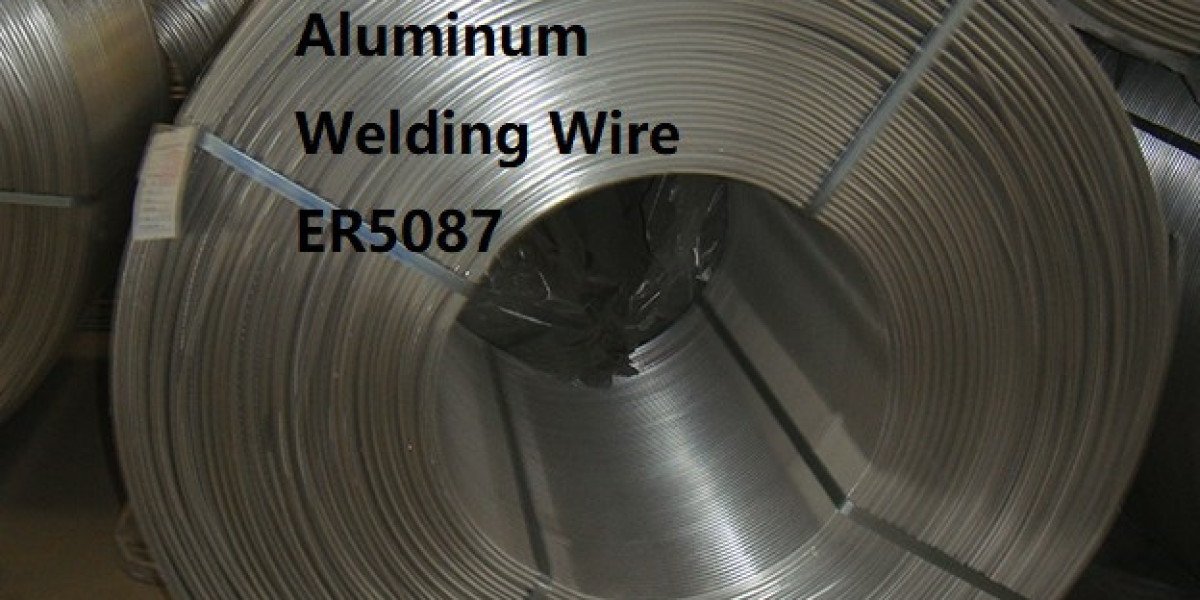

Aluminum welding projects can vary widely in material thickness, joint design, production volume, and service conditions, making filler selection an important part of the overall process. In many fabrication discussions, Aluminum Welding Wire ER5356 is considered when evaluating suitable consumables for compatible aluminum applications, while Aluminum Welding Wire ER5356 should always be reviewed together with the base alloy, welding method, and required characteristics of the completed joint. Good results depend on more than the wire itself, as preparation, equipment condition, parameter control, and operator practice all contribute to stable welding performance.
Understanding Material Compatibility
Choosing a filler material begins with identifying the aluminum alloy being welded. Different aluminum materials have different chemical compositions and welding characteristics, so compatibility should be checked before a production process is established.
The thickness of the workpiece can also influence the welding procedure. Thin sections may require closer control of heat input, while thicker materials may need different joint preparation and operating conditions.
Fabricators should consider the complete application rather than making a decision based on a single factor. Joint configuration, expected service conditions, and any post-weld processing may all affect material selection.
Technical specifications and relevant welding guidance can provide a useful starting point. When requirements are demanding or the application is unfamiliar, qualification testing can help confirm that the selected materials and procedure are suitable.
A well-planned selection process can support smoother production and reduce unnecessary adjustments during fabrication.
Preparing Aluminum Before Welding
Surface preparation is an essential part of aluminum welding. Before welding begins, the work area should be prepared according to the requirements of the process and material.
Oil, moisture, dirt, and other contaminants can affect welding conditions, so appropriate cleaning should be completed before joining. The workpieces should also be positioned and secured correctly to maintain the intended joint alignment.
Joint edges may require preparation depending on thickness and design. Consistent fit-up can help create more stable welding conditions and make the procedure easier to repeat.
Preparation should not be treated as a separate task from filler selection. The materials, joint design, and welding process need to work together.
In regular production, establishing clear preparation practices can help different operators follow the same basic process. This may support greater consistency between batches and reduce variation caused by changing setup conditions.
Kunliwelding For Aluminum Welding Requirements
Buyers sourcing welding consumables often need to consider practical requirements beyond the product name. Wire diameter, packaging format, order quantity, and the intended welding process can all be important.
Providing clear application information can make technical communication more efficient. Details about the base material, thickness range, joint type, and production conditions can help ensure that discussions focus on relevant requirements.
For a new project, trial welding can be useful before larger-scale production. A practical evaluation may include observing wire feeding, arc behavior, weld formation, and the condition of the completed joint.
Repeat orders can also benefit from consistent specifications. Recording the selected wire type, diameter, packaging, and related requirements may simplify future purchasing.
A structured sourcing process helps connect material requirements with actual production needs, making it easier to maintain continuity when projects continue over time.
Managing Equipment And Wire Feeding
Welding equipment should be checked as part of the complete production system. Even a suitable filler material may not perform consistently if the feeding setup is poorly matched or not properly maintained.
The spool arrangement, drive system, liner, torch, and contact components should be appropriate for the wire and process being used. Regular inspection can help identify wear or setup issues before they interrupt production.
Wire handling and storage also deserve attention. Consumables should be kept in appropriate conditions and handled carefully to support clean, reliable use.
If feeding becomes inconsistent, fabricators can review the complete path rather than immediately changing welding parameters. Mechanical setup, component condition, and wire routing may all need to be examined.
A stable equipment setup can support smoother operation and make it easier to repeat established welding procedures.
Evaluating The Complete Fabrication Process
A finished weld should be evaluated according to the requirements of the application. Visual appearance may be important, but it is only one part of the overall assessment.
Depending on the project, additional factors may include joint integrity, dimensional requirements, surface condition, and later manufacturing operations. Components may need machining, assembly, cleaning, or finishing after welding.
The working environment should also be considered during planning. Service conditions can influence the characteristics expected from the completed fabrication.
Clear inspection practices can help identify problems early. For repeat production, recording successful procedures and evaluation results can support a more controlled workflow.
When changes occur in materials, joint designs, equipment, or production conditions, the welding procedure should be reviewed rather than assuming previous settings remain suitable.
By treating filler selection as one part of a connected system, fabricators can make more informed decisions and build processes that are easier to manage over time.
Aluminum welding requires careful coordination between materials, preparation, equipment, operating conditions, and quality requirements. Reviewing these factors together can help fabricators select a process suited to their specific applications and production plans. For more information about aluminum welding materials and related product options, visit https://www.kunliwelding.com/ .