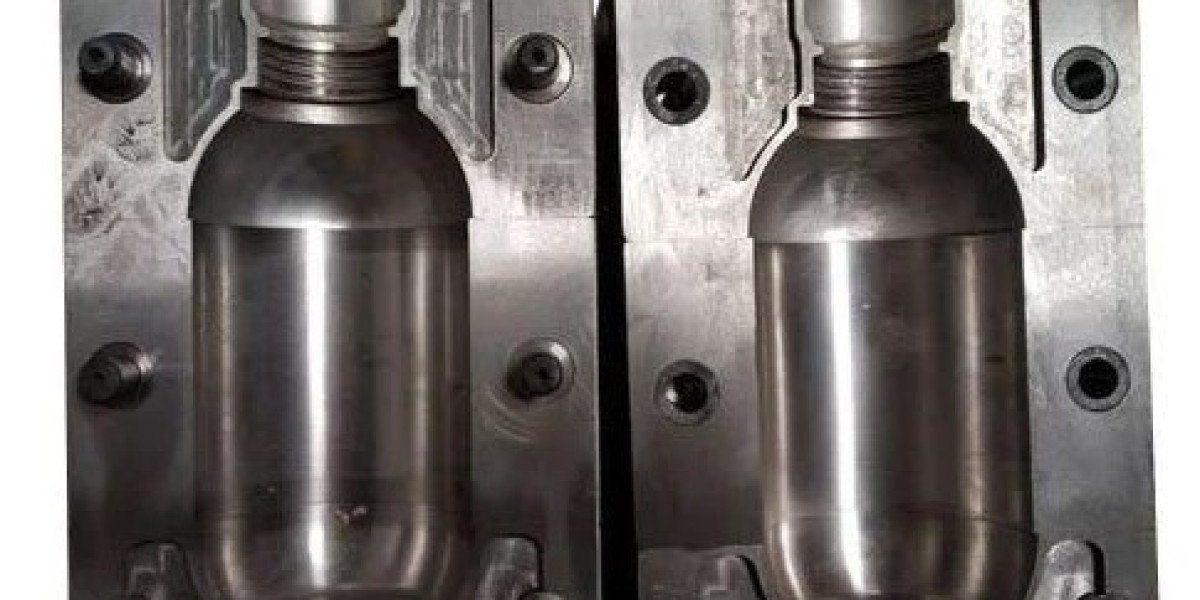

Choosing suitable mould equipment can directly influence production planning, output consistency, and the flexibility of plastic manufacturing. For companies handling different bottle preform requirements, a Various Cavity Numbers Moulds Supplier can provide options suited to different production volumes and machine configurations. Working with a reliable Various Cavity Numbers Moulds Supplier also allows manufacturers to consider cavity arrangements, mould structures, cooling design, material compatibility, and maintenance needs before placing an order. A practical selection should focus on the complete production process rather than cavity quantity alone.
Matching Cavity Numbers With Production Requirements
Cavity numbers determine how many preforms can be produced during one moulding cycle. Different production environments therefore require different mould configurations.
A smaller operation may prefer a mould with fewer cavities because it can provide a more manageable starting point for moderate production volumes. Larger manufacturers, however, may require more cavities to support higher output and continuous production schedules.
The choice should be based on the injection machine, expected production volume, available operating time, and product specifications. Using a mould that does not match the machine can create unnecessary limitations during production.
Manufacturers should also consider future demand. If production requirements are expected to increase, a suitable cavity configuration may provide greater flexibility without requiring frequent changes to the production system.
Rather than selecting the largest available cavity number, buyers can compare several configurations according to actual production requirements. This approach can help balance output, equipment compatibility, investment, and maintenance considerations.
Mould Structure And Preform Quality
A preform mould needs to maintain accurate dimensions during repeated production cycles. The mould structure therefore deserves careful attention during product selection.
Core and cavity components must work together precisely to form consistent preforms. Small dimensional differences can influence the finished product, particularly when preforms are later used for bottle production.
Cooling design is another important consideration. Effective temperature management can support stable moulding cycles and help maintain consistency between production runs.
The condition of mould components can also affect daily operation. Properly manufactured parts, accurate machining, and suitable surface treatment can contribute to reliable mould performance.
Buyers should review details such as cavity arrangement, neck finish compatibility, preform specifications, cooling channels, and machine connection requirements before confirming an order.
These factors are closely connected. A mould with an appropriate cavity count still needs a suitable structure and accurate manufacturing to perform effectively in a production environment.
Qhpreformmould And Custom Production Needs
Different customers may have different preform designs, dimensions, neck finishes, and production targets. This makes communication an important part of the mould purchasing process.
Before production begins, buyers can provide technical drawings, preform samples, dimensions, material information, and expected output requirements. These details help mould manufacturers understand the application more clearly.
Customization may involve cavity arrangements, mould dimensions, cooling configurations, and other structural details. The exact solution depends on the production machine and the preform design.
Clear technical communication can also reduce misunderstandings during mould development. Confirming dimensions, tolerances, machine specifications, and connection requirements before manufacturing can make the process more organized.
For businesses producing multiple bottle styles, flexible mould options may also help support different product lines. However, each configuration should still be evaluated according to its intended application.
A well-planned mould project begins with the actual production requirements and translates those requirements into a suitable technical structure.
Machine Compatibility And Installation
Mould compatibility is an essential part of purchasing. Even a well-designed mould may not work efficiently if its dimensions or connections do not match the injection moulding machine.
Before ordering, manufacturers should confirm machine specifications such as available mould space, clamping requirements, injection system details, and relevant connection positions.
Installation conditions should also be considered. Proper alignment and secure connections can help the mould operate as intended during repeated cycles.
Cooling connections deserve attention as well. The mould's cooling system should be compatible with the production facility's available equipment and connection arrangements.
Once installed, operators should monitor the mould during initial production. Checking cycle behavior, preform dimensions, cooling performance, and overall operation can help identify issues at an early stage.
Regular maintenance is equally important. Cleaning, inspection, lubrication where appropriate, and timely replacement of worn components can help maintain mould condition.
A suitable installation and maintenance routine can extend practical service life and support more consistent production.
Long-Term Value And Mould Maintenance
A mould represents more than an initial production investment. Its long-term value depends on how effectively it supports repeated manufacturing and how easily it can be maintained.
Routine inspection can help operators identify wear on cavities, cores, cooling channels, and other components. Early attention may prevent small problems from affecting larger production runs.
Storage is another consideration when a mould is not in continuous use. Proper cleaning and storage procedures can help protect mould components between production periods.
Manufacturers should also maintain useful records, including mould specifications, maintenance history, production conditions, and replacement information. These records can make future troubleshooting and servicing more efficient.
When production requirements change, businesses may also need to reassess their mould strategy. New preform designs or higher output targets could require different cavity configurations.
The most practical approach is to evaluate mould selection as part of the complete production system. Cavity number, machine compatibility, cooling, precision, maintenance, and future requirements should all be considered together.
For manufacturers looking to compare mould solutions for different preform production needs, product information and manufacturing capabilities can be explored through Taizhou Qihong Mold Co., Ltd.. Reviewing available options can help buyers understand cavity configurations, mould structures, customization possibilities, machine compatibility, and maintenance considerations before making production decisions.