
Healthcare supply requires careful planning, consistent specifications, and dependable production processes. When hospitals, distributors, and medical supply buyers evaluate a Syringe And Needle Producer , they often focus on product specifications, manufacturing consistency, packaging, and supply coordination. Choosing a suitable Syringe And Needle Producer can help purchasing teams organize routine medical supply requirements while considering different product configurations and market needs.
Understanding Different Product Configurations
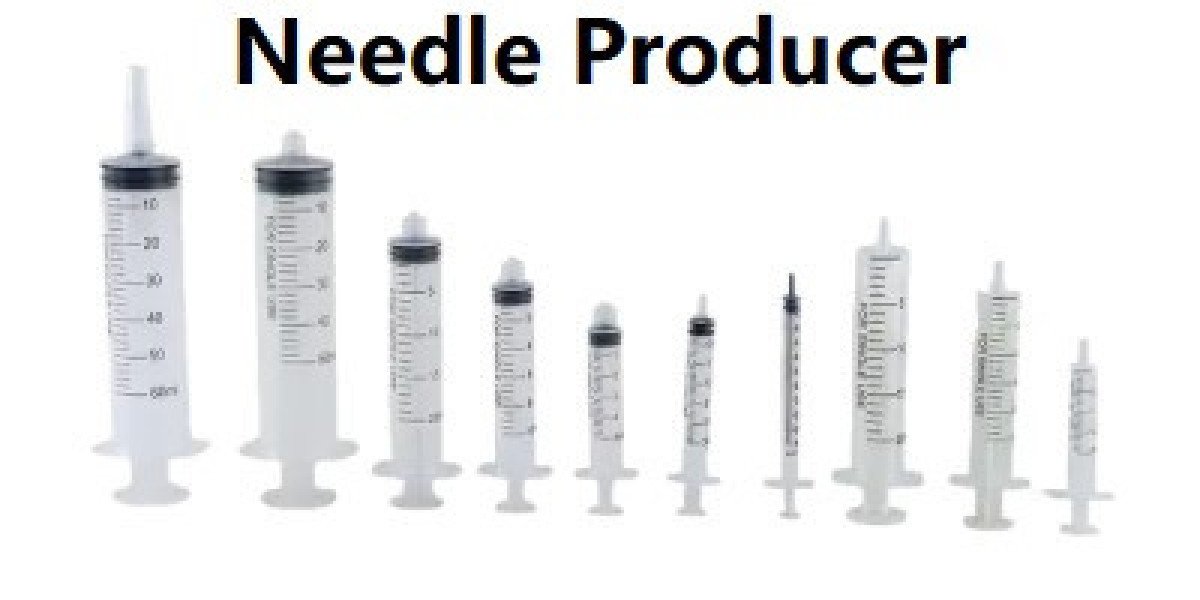
Syringes and needles are available in various configurations for different professional applications. Buyers may need to review capacity, connection type, needle size, and packaging format according to their purchasing requirements.
Clear specifications are important because medical products with similar appearances may still have different dimensions or intended uses. Purchasing teams can prepare detailed product requirements before requesting samples or quotations.
For regular supply programs, standardized product information can make ordering easier. Accurate descriptions, product codes, and packaging details help reduce confusion when multiple configurations are required.
It is also useful to consider how products will be stored and distributed after delivery. Carton quantities, inner packaging, and labeling can affect warehouse handling and inventory planning.
By defining requirements clearly from the beginning, buyers can create a more organized procurement process and avoid unnecessary changes later.
Material and Manufacturing Consistency
Material selection and manufacturing control are important considerations for disposable medical products. Product components should be manufactured according to the agreed specifications and relevant requirements for the intended market.
Consistency between production batches can be particularly important for distributors and institutions managing regular orders. Buyers may review product samples and technical information before confirming larger purchasing plans.
Manufacturing processes can also influence product handling and assembly. Controlled production procedures, appropriate inspection steps, and consistent component specifications help support stable output.
For procurement teams, communication is useful when discussing materials, dimensions, tolerances, and packaging. Clear requirements allow both buyers and suppliers to work from the same information.
A practical sourcing approach focuses on confirming details before production rather than relying on assumptions based only on product photographs or general descriptions.
INIMD and Practical Quality Planning
Quality planning begins with clearly defined requirements. Before placing an order, buyers can discuss product specifications, inspection expectations, and documentation needs.
Sample evaluation may help confirm whether the selected configuration matches purchasing requirements. Product appearance, dimensions, packaging, and other agreed details can be reviewed before moving forward with larger quantities.
During regular production, inspection procedures can help identify visible issues and confirm basic consistency. Packaging checks are also useful because labeling and product organization can affect downstream handling.
For distributors managing several product categories, keeping approved samples and specification records can simplify future purchasing. Repeat orders can be based on established information rather than starting the review process again.
Good quality planning also supports communication. When requirements are recorded clearly, questions about product configuration or packaging can be addressed more efficiently.
Packaging and Supply Coordination
Packaging is an important part of medical supply management. Products need to be organized in a way that supports transportation, storage, and distribution.
Individual and outer packaging requirements may vary according to the product configuration and destination market. Buyers can confirm labeling, carton quantities, and packing arrangements before production begins.
For larger supply programs, consistent packaging can make warehouse operations easier. Staff can identify products more quickly when cartons are clearly marked and quantities are organized.
Shipping plans should also be coordinated with purchasing schedules. Buyers may consider order quantities, delivery timing, and storage capacity when planning regular procurement.
Maintaining clear communication throughout the supply process can help reduce avoidable delays. Production, inspection, packaging, and shipment arrangements are easier to manage when the required details are confirmed early.
Building a Stable Purchasing Process
Long-term procurement often depends on consistency and clear records. After a product has been approved, buyers can retain information about the selected specifications, packaging, and order requirements.
This can make future purchasing more efficient. Instead of repeating every discussion, the purchasing team can refer to previously confirmed details and focus on any changes in quantity or delivery needs.
Supplier communication remains important when market requirements or product specifications change. Updating requirements early can help avoid confusion during production.
Inventory planning should also be considered. Medical supply buyers can review expected usage, storage capacity, and delivery schedules when organizing purchase orders.
A stable purchasing process is built on practical details: accurate specifications, sample review, clear packaging requirements, and organized communication. By addressing these factors before production, buyers can better manage routine sourcing needs and maintain a consistent supply flow. For more information about available products and supply solutions, visit https://www.inimd.com/ .